

Lessons from our Charlotte debate community
Three years of coaching in Title I schools have taught us what makes a program take root and what makes it wither. A retrospective, in five lessons.
Charlotte Urban Debate League
We bring free speech and debate coaching, competitions, and resources to Title I schools across Charlotte-Mecklenburg and the wider metro, so the skills that open doors to college are not reserved for the students who can pay for them.

Figures as of September 2026, from CUDL program records. Enrollment is the combined enrollment of partner schools, not the number of active debaters.
Talent is distributed evenly across Charlotte. Opportunity is not.
Speech and debate builds the skills colleges and employers look for: research, evidence-based reasoning, clear writing, public speaking, and the confidence to defend a position under pressure. At well-funded schools those skills come with dedicated coaches, research subscriptions, travel budgets, and private tutors.
At many Title I schools in Charlotte, they come with none of that. The Charlotte Urban Debate League is the infrastructure that closes the gap: coaching, materials, and competition, delivered to the schools that need them and free to every student who walks in.
Why CUDL existsSix things a debate program needs. Most Title I schools have none of them. We provide all six.
We work directly with schools, teachers, coaches, and students to launch a program and keep it running year after year.
How it worksWorkshops on argumentation, public speaking, research, rebuttals, cross-examination, case construction, and competition strategy.
See the curriculumLocal tournaments we organize and support, and a pathway toward regional and state-level competition.
Competition pathwayTopic briefs, evidence, case-development resources, and strategic preparation for the current Lincoln-Douglas and Public Forum topics.
Browse resourcesMaterials that let a teacher build a sustainable debate program without prior debate experience.
For coachesSkills, confidence, mentorship, and the academic engagement students need to pursue higher education.
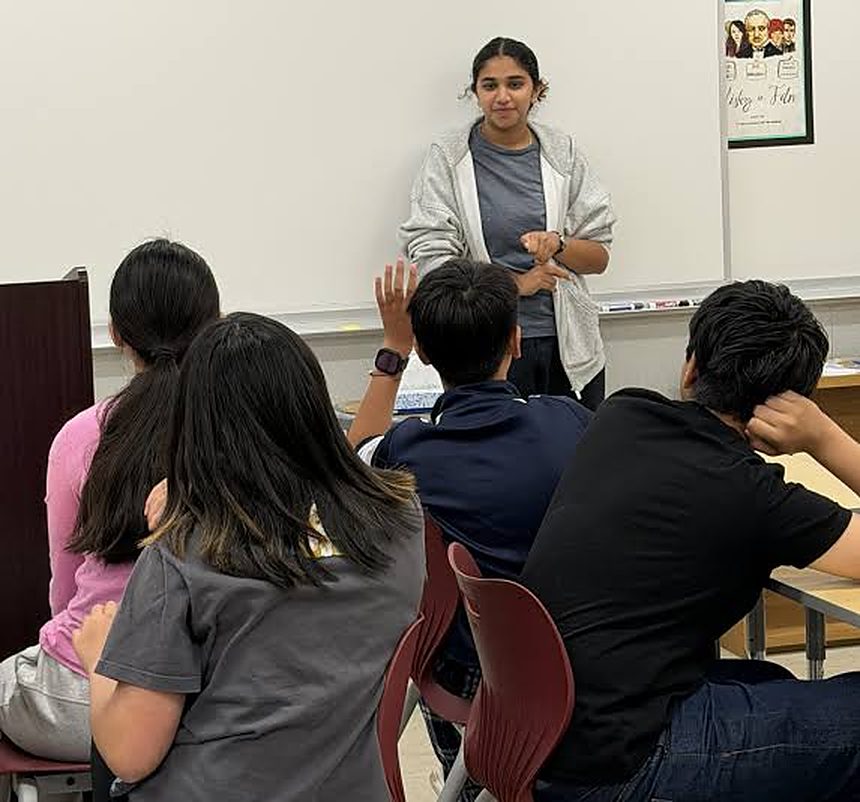
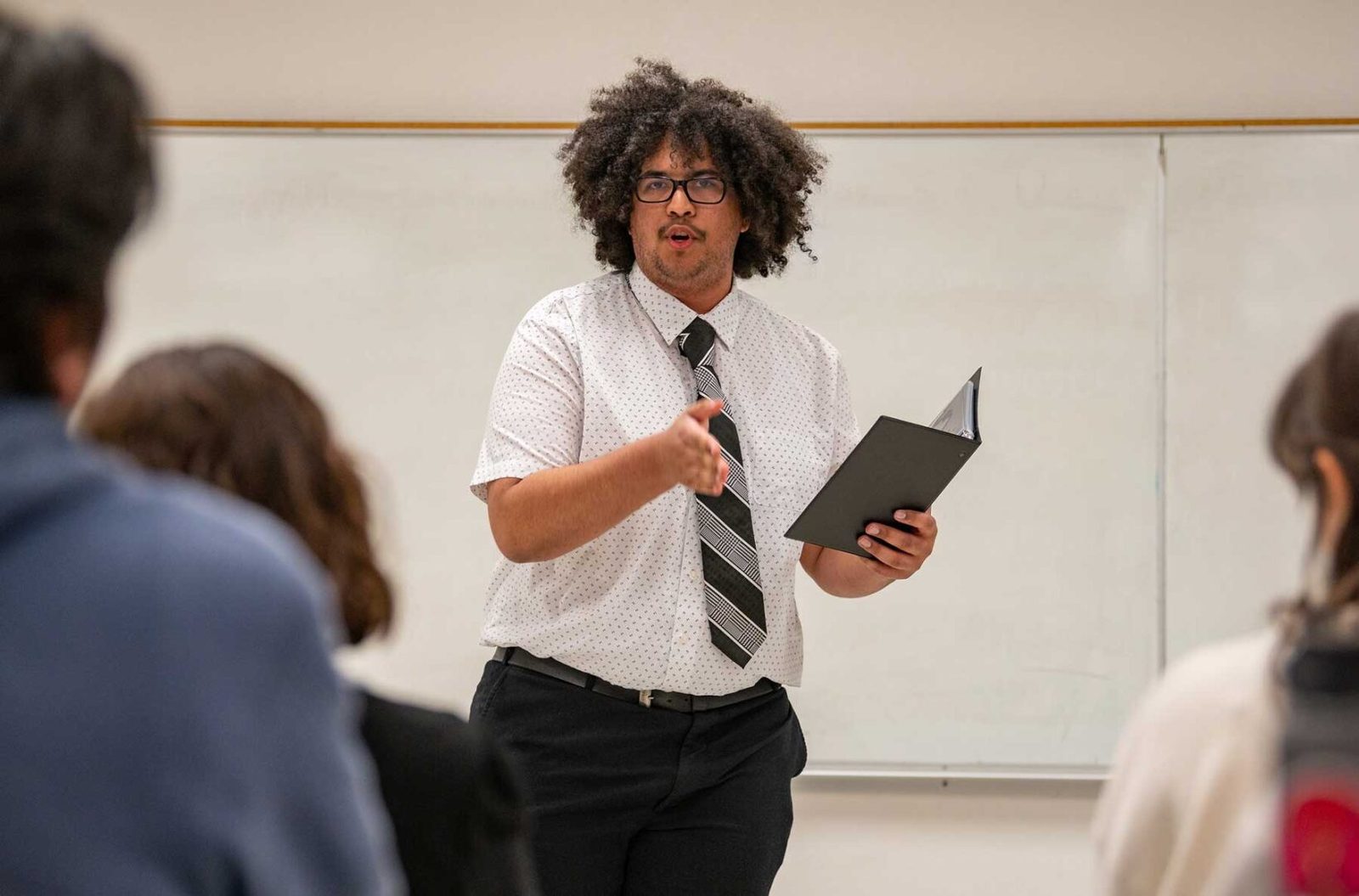
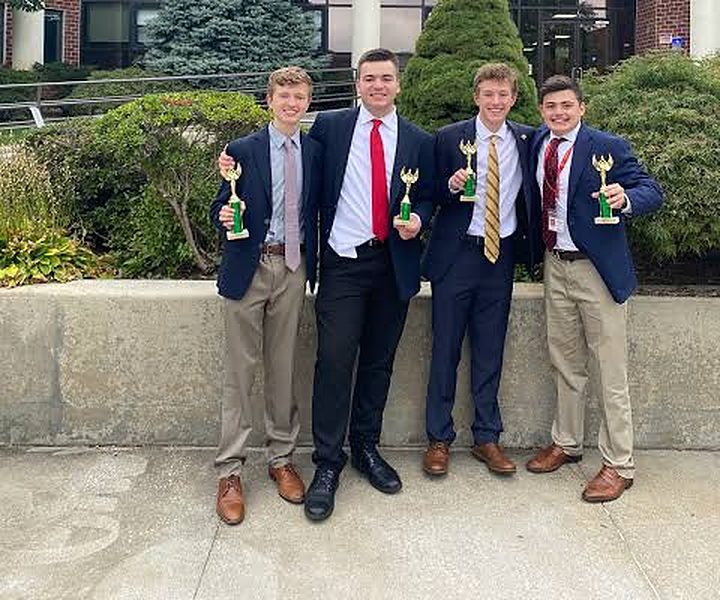
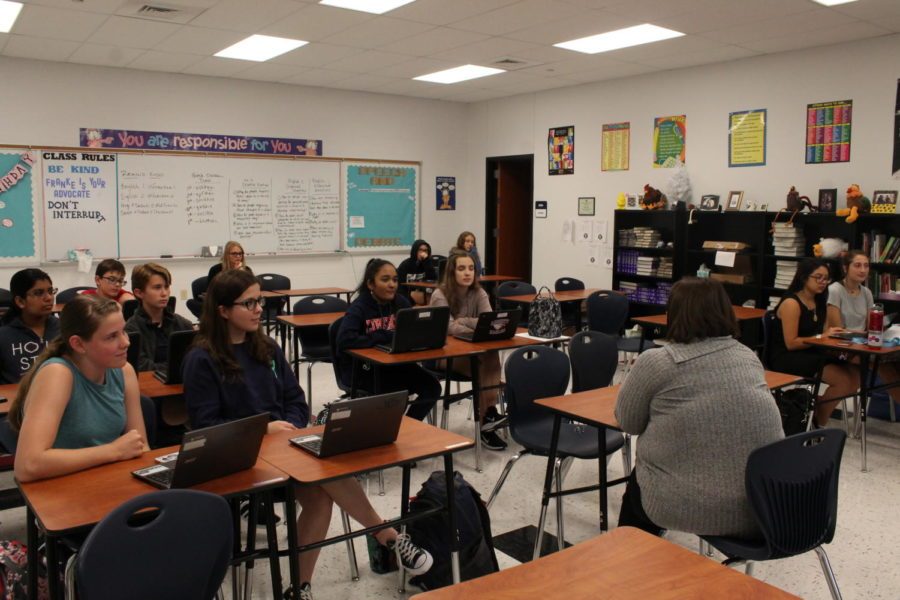
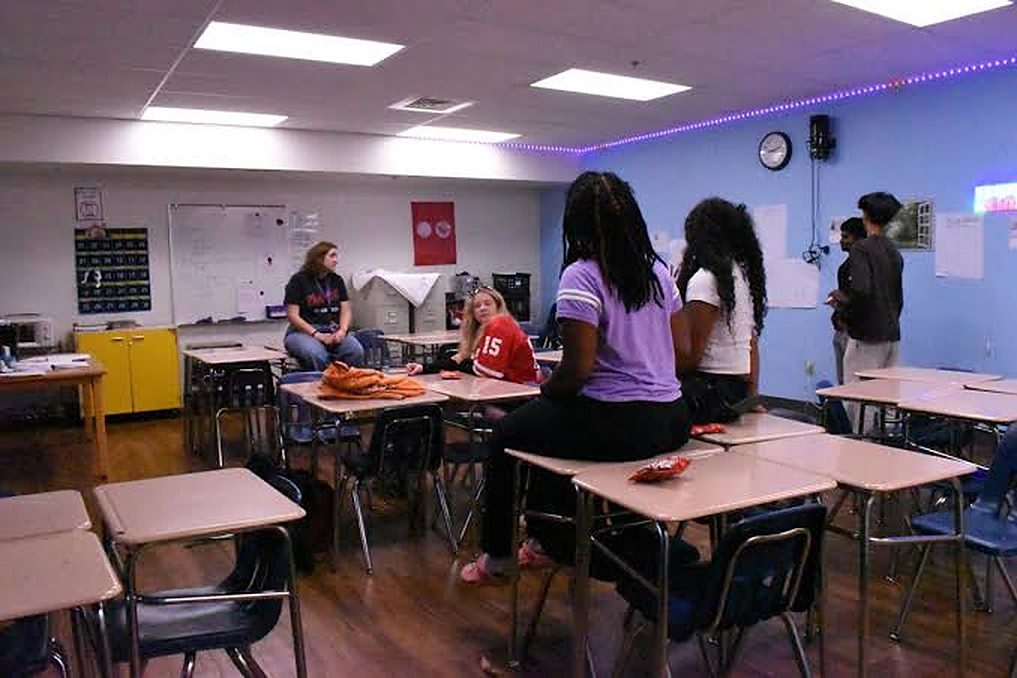
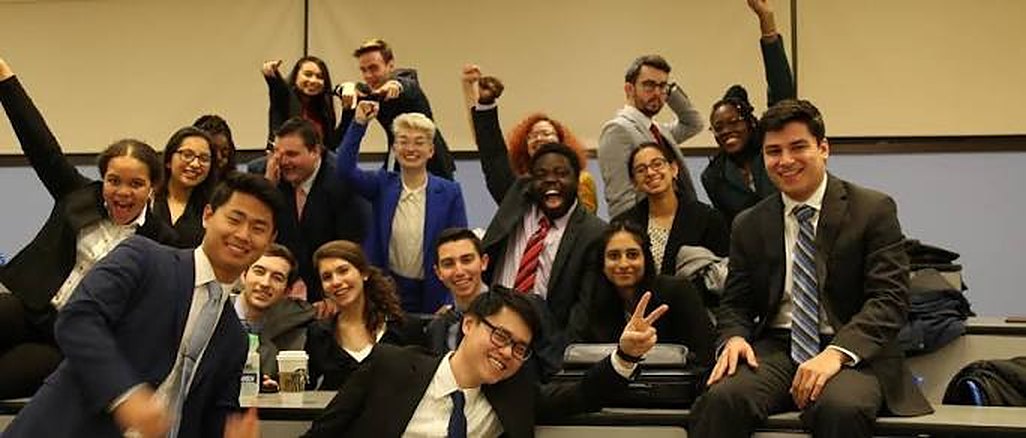
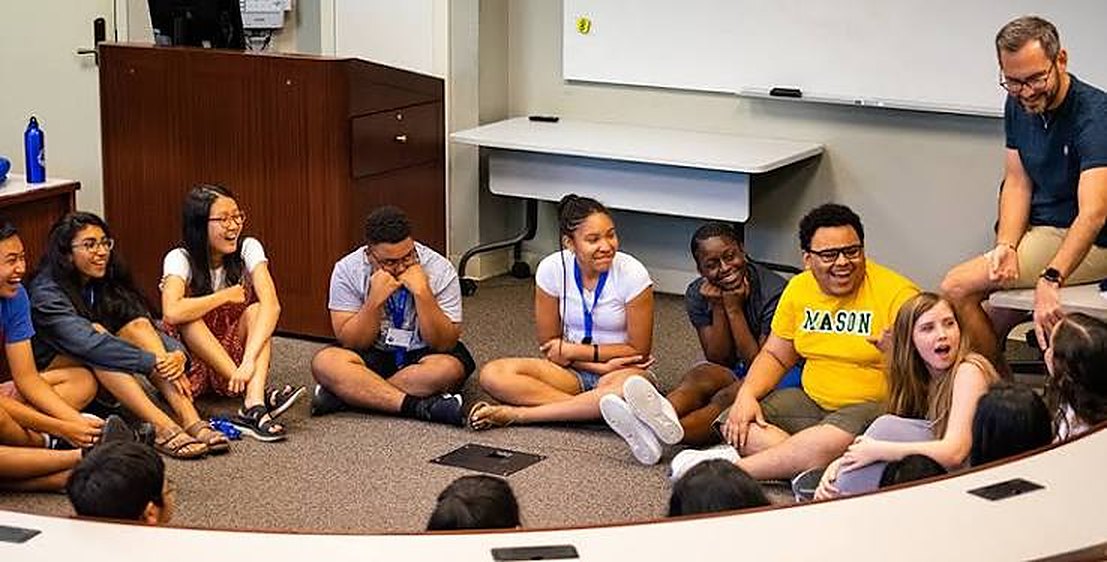
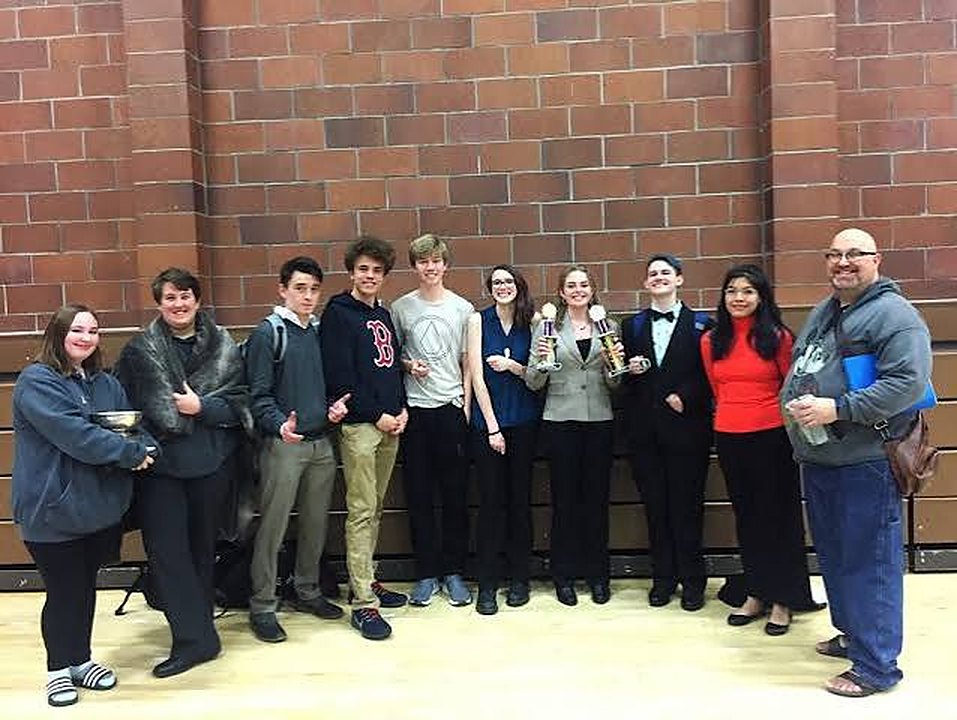
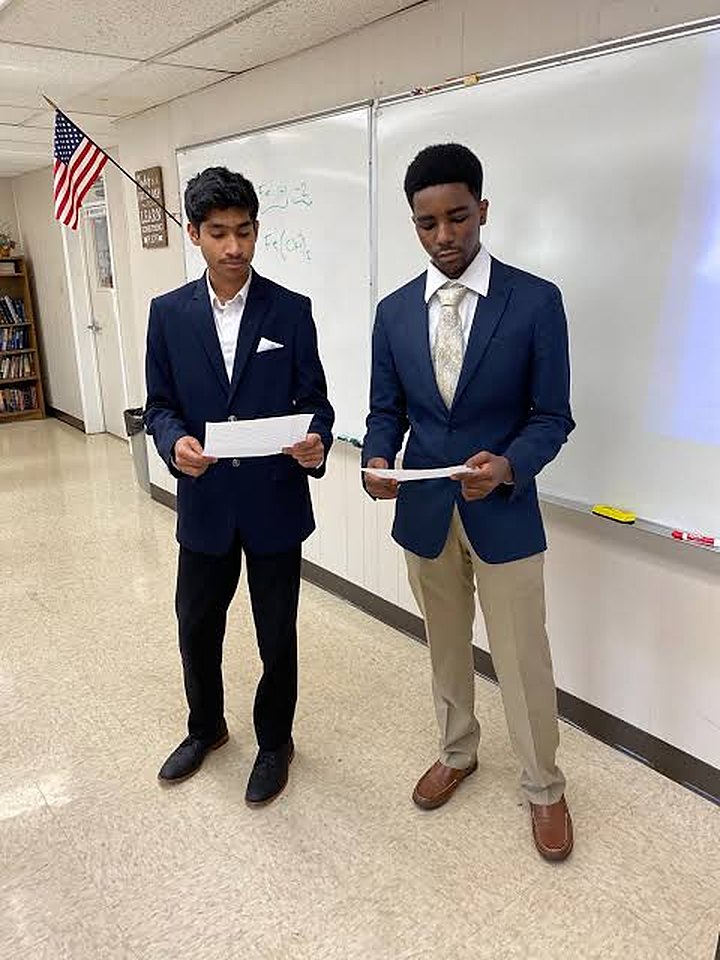
Read the evidenceCoaching sessions, practice rounds, research days, and tournament weekends across the Charlotte area. Swipe or use the arrows.
Sign-ups for the fall are open. Pick the door that fits you; every one of them leads to a person who will follow up within a week.
Join the program at your school, or tell us your school does not have one yet. Free, no experience needed.
Student sign-upRequest coaching, materials, and competition access for the 2026-27 season. We come to you.
Request coachingJudge a Saturday tournament or mentor a team. We train every volunteer before their first round.
Volunteer sign-upFund a tournament, a school cluster, or the season. Every dollar goes to coaching, materials, and entry fees.
Partner with CUDLAccess to debate leads to stronger skills, stronger college readiness, better higher-education outcomes, and greater long-term economic mobility. Each link in that chain has research behind it.
Coaching, materials, and competition entry at no cost, in schools that would otherwise have none.
Studies of urban debate leagues link participation to gains in reading, analysis, and argumentation.
Chicago debaters were more likely to meet ACT college-readiness benchmarks in English and reading.
Boston and Chicago debaters were more likely to graduate high school and enroll in college, particularly four-year institutions.
Postsecondary completion is one of the strongest predictors of adult earnings, in a city that ranked last among large U.S. metros for upward mobility in 2014.
Findings summarized from eight peer-reviewed studies of urban debate leagues in Chicago, Baltimore, Houston, and Boston, and from Opportunity Insights research on Charlotte. Read the full research bibliography.
Practice matters, but competition is where students learn to think on their feet. CUDL organizes and supports local tournaments, handles the logistics that keep schools from entering, and prepares students for regional and state-level competition.
How competitions workOur coaches teach in person, during the school day and after it. Students learn how to build a case from evidence, how to cross-examine, and how to rebut an argument they heard thirty seconds ago. Teachers learn alongside them, so the program outlasts any single coach.
Explore our programsOur supporters and sponsors include some of the largest employers in the city. Their support keeps coaching, materials, and competition free for students.


CUDL received an Economic Opportunity Grant in support of its work expanding access to speech and debate for students at Title I schools.
Built for practice rooms with one laptop and a projector. No accounts, no downloads, nothing to buy.
Every format's speech order and prep time, with a countdown you can see from the back of the room.
Impromptu prompts, Extemp questions, World Schools motions, and Congress bill titles, with a timer.
Draw an argument, answer it in sixty seconds, then compare your answer to three coached responses.
Ten questions on speech times and rules across every format, graded instantly.
Perspectives on educational access, and practical guides for students and coaches.
Three years of coaching in Title I schools have taught us what makes a program take root and what makes it wither. A retrospective, in five lessons.
Answering an argument is not the same as beating it. The four moves in every strong rebuttal, in any format.
The step from a local tournament to a regional one is bigger than it looks. A checklist for students and coaches making the jump.
Visit once and every page you open is saved to your device; one button saves every page so guides, cases, evidence, and the practice tools work with no connection. The new program handbook puts the season calendar, course outlines, equipment list, and tournament checklists on one printable page for a sponsoring teacher.
Every factual claim on the site is now listed with its basis, alongside an index of every outside domain we link to with automated link-check results. Three moved links were found and fixed, the eight research studies gained a stated limitations line, and the 2027 National Tournament dates were confirmed against the NSDA.
A 190-term glossary, twelve original Congressional Debate bills and resolutions, a Start here page with four thirty-day paths, and three credibility pages: editorial standards with a corrections log, privacy, and accessibility.
Every page re-checked: single heading structure, titles and descriptions, canonical links, anchors, sitemap coverage, image alt text, and form delivery. Contact forms now deliver through Netlify Forms on deploy, with inline validation and a copy-and-call fallback.
One email when a new topic primer or guide is published, about twice a month during the season. No other mail.
We supply the coaching, materials, and competition access. You supply the students. There is no cost to the school.